
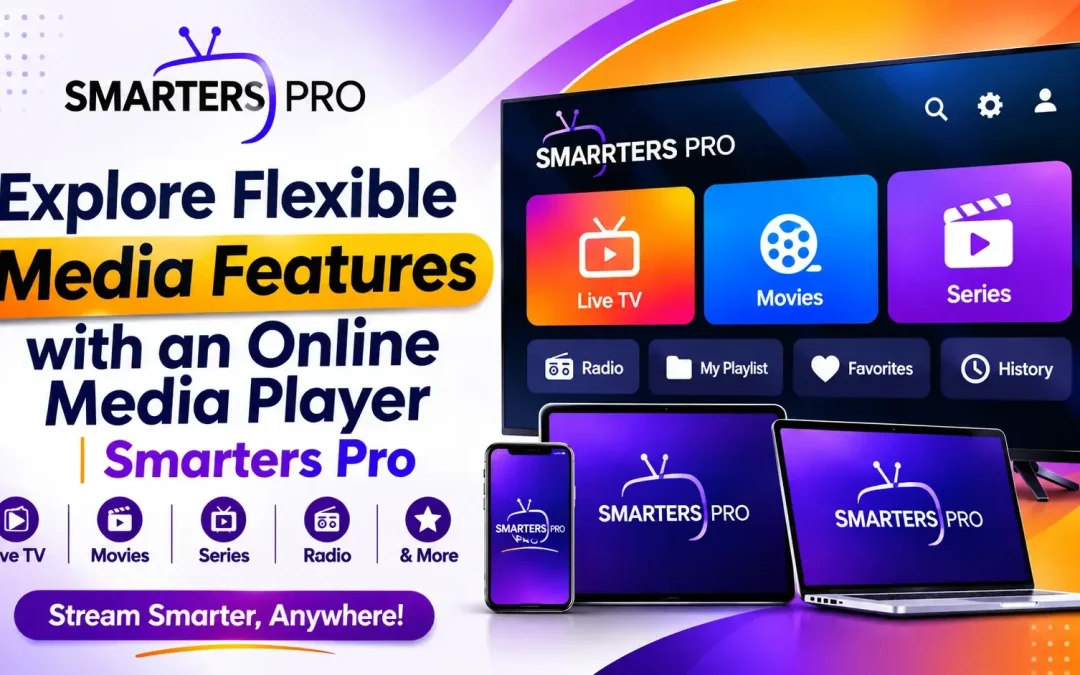
Digital entertainment has evolved significantly, creating a growing need for convenient ways to organize, browse, and enjoy personal media collections. Users often prefer applications that offer flexible playback options, simple navigation, and compatibility with different devices. A well-designed online Media Player can make accessing personal digital content easier by bringing useful media management tools and playback features together in one place.
Modern media applications focus on improving accessibility while providing greater control over content organization and playback preferences. From playlist support to customizable settings, these features contribute to a smoother and more convenient digital experience.
Understanding the Importance of Flexible Media Features
A good media application should offer more than basic playback functionality. It should provide practical tools that help users manage their personal content without unnecessary complexity. Flexible features make it easier to navigate different media categories, adjust preferences, and enjoy content across supported devices.
Some important capabilities include:
- Simple Navigation: Organized menus and clear categories make browsing easier.
- Playlist Compatibility: Support for different playlist formats provides flexibility when adding personal media.
- Customizable Settings: Users can adjust application preferences according to their requirements.
- Playback Controls: Useful controls provide greater convenience when managing media playback.
- Device Compatibility: Support for multiple platforms allows users to access their collections on compatible devices.
Together, these capabilities help create an accessible and user-friendly environment for everyday media management.
Key Features That Improve the Media Experience
Modern applications include several features that simplify how users browse and manage their digital collections. Understanding these capabilities can help users select a suitable solution for their requirements.
1. Flexible Playlist Support
Playlist compatibility is an important feature for applications designed to manage personal media. Support for formats such as M3U and JSON allows users to add compatible content from local storage or remote sources.
This flexibility makes it easier to organize different types of media without relying on a single content format. Users can manage their preferred playlists and access supported collections through a centralized interface.
2. Organized Content Categories
Managing large media collections can become challenging without proper organization. Categorization tools help users browse different types of content more efficiently.
Common organization options include:
- Movies and video collections
- Series and episodic content
- Music and audio files
- Favorite selections
- Recently accessed content
A structured layout reduces unnecessary navigation and makes frequently accessed items easier to find.
3. Personalized Playback Controls
Playback flexibility contributes significantly to the overall user experience. Applications with practical playback controls allow users to manage how their personal media is presented.
Useful options may include:
- Play, pause, and resume controls
- Subtitle selection and audio track preferences
- Playback progress management
- External player compatibility
- Adjustable playback settings
These options provide greater control and allow users to customize their viewing or listening experience.
Accessing Personal Media Across Compatible Devices
Device compatibility is another important consideration when choosing a media application. Users may prefer accessing their personal collections through smartphones, tablets, computers, and other supported platforms.
A flexible application can provide a consistent interface across compatible devices while making media management more convenient.
Some commonly preferred device categories include:
- Android smartphones and tablets
- iPhone and iPad devices
- Android-based media devices
- Windows computers
- macOS systems
Compatibility and available features may vary depending on the application version and device specifications. Checking supported platforms before installation helps users choose an appropriate option.
How Customization Improves Everyday Usability
Every user has different preferences when organizing and accessing personal digital content. Customization features help create an experience that feels more comfortable and convenient.
Several settings can contribute to improved usability:
Interface Preferences: Different themes and display options can make navigation more comfortable.
Language Settings: Language preferences help users interact with application menus more easily.
Favorites Management: Saving preferred selections reduces the time required to locate frequently accessed content.
Search and Sorting: Search tools and sorting options simplify browsing through larger collections.
Parental Controls: Supported restrictions can help manage access to selected content.
These features make applications more adaptable to different usage requirements.
Choosing the Right Application for Your Requirements
Selecting a suitable media solution requires considering several factors beyond its appearance. Users should evaluate its functionality, compatibility, ease of use, and available customization options.
Before choosing an application, consider the following:
- Check whether it supports your preferred playlist formats.
- Review compatibility with your existing devices.
- Look for straightforward navigation and content organization.
- Explore available playback and subtitle settings.
- Check whether customization options meet your preferences.
- Review application updates and available technical support.
Considering these points can help users identify an application that supports their everyday media requirements.
Discover a Convenient Approach to Digital Media Management
A reliable online Media Player combines practical playback functionality with flexible content organization and accessible controls. These capabilities help users manage personal digital collections while enjoying a more organized experience across compatible devices.
Smarters Pro focuses on providing a convenient media playback environment with playlist compatibility, intuitive navigation, and useful customization features. By bringing essential media management capabilities together, it helps users browse their personal content and adjust playback preferences according to their needs.
As digital entertainment continues to evolve, applications that prioritize usability, flexibility, and device compatibility will remain valuable for users seeking a convenient way to manage their personal media collections.